The Flu Shot.
Frequently Asked Questions (FAQ).
Who should have the flu shot?
The Australian Department of Health recommends the Flu Vaccine for everyone aged 6 months or older, travellers, health care workers and especially people in the at risk Category. VaxiCare vaccinates People aged ≥9 years with one dose of the latest influenza vaccine every year, regardless of whether they have ever had an influenza vaccine before.
Why should I have the flu shot?
Influenza is the most common vaccine-preventable disease in Australia. The flu vaccine reduces the risk of severe disease, complications, and hospitalisation. Influenza is a very contagious infection of the airways, affecting people of all ages, it can also be fatal.
You also help protect other people, especially people who are too sick or too young to be vaccinated. It maximises the immune response to the flu vaccine strains. The more people that are vaccinated in your community, the less likely the disease will spread.
Why do I need a flu shot every year?
The flu vaccine can change yearly, and immunity from previous vaccines declines, so annual vaccination ensures protection against the latest flu virus strains.
When should I have the flu shot?
The best time for vaccination is from April onwards before flu season peaks (June–September), ensuring the strongest protection during peak transmission months. It is never too late to get vaccinated, because influenza can circulate all year. If a person received a flu vaccine during the latter part of the year or very early in the next year, they are still recommended to receive the latest formulation of influenza vaccine once it is released, usually March annually.
How many doses of flu shot do I need?
Most people need one dose annually. Children under 9 getting their first flu vaccine need two doses, spaced four weeks apart.
How long is the flu shot effective?
In Queensland, flu vaccine effectiveness peaks within the first 3 to 4 months after vaccination, with protection generally lasting the whole season (May to September), but declining over time, which is why annual shots from April onwards are recommended to cover the typical June-August peak.
Is the flu shot effective immediately?
No, the vaccine takes 10-14 days to build immunity, and requires annual shots due to evolving flu strains.
Is it OK to get vaccinated more than once in the same flu season?
New strains of influenza are identified every season. Some people in the at risk category may benefit getting 2 doses (boosters) of the flu vaccine in one season.
Does everyone get the same flu vaccine?
No. Different flu vaccines are recommended based on age and health conditions. Your immunisation provider can advise which vaccine to use. The Therapeutic Goods Administration website provides detailed consumer medicine information for each vaccine.
Is it safe to get the flu shot while pregnant?
Yes, it is highly recommended at any stage of pregnancy. It protects the mother from severe complications and provides "passive immunity" to the baby, protecting them for several months after birth when they are too young to be vaccinated.
Are there special vaccines for seniors?
Yes. For those aged 65 and over, an "enhanced" vaccine (like Fluad Quad) is recommended and funded. This vaccine is specifically designed to create a stronger immune response in older adults.
Can the Flu Shot cause allergic reactions?
Yes, but it occurs very rarely. Some people may be allergic to certain ingredients in the vaccine, like egg protein or other components. Egg free flu vaccines are on offer, please consult our Influenza Vaccine Consumer Medical Info (CMI)
Should I get vaccinated if I am unwell?
If you are feeling unwell (fever, cough, or sore throat) on the day of your appointment, please discuss your symptoms with the Vaccinator or consult your GP.
Are there any possible side effects?
You may experience side effects following vaccination. Most reactions are mild and last no more than a couple of days and you will recover without any problems. Common side effects of influenza vaccines include:
● Pain, redness, swelling, hardness or weeping where the needle was inserted.
● Headaches, Fever, tiredness, muscle aches
Please consult and download our Influenza Vaccine Consumer Medical Info (CMI) or talk to your immunisation provider about possible side effects that concern you. You will also need to complete an online Health Checklist to ensure your suitability for Flu Protection before consenting to Vaccination with us and a 15 minute observation period is required after vaccination.
How long do side effects last?
The side effects can start within a few hours of vaccination and sometimes last for 1 to 2 days. They usually go away on their own, once your body has developed an immune response to the vaccine, which will protect you from the flu virus.
Can the flu shot give me the flu?
NO. All flu vaccines used in Australia are inactivate, which means they do not contain a live flu virus, so you can't catch the flu from the vaccine. Less than 1 in 6 people experience side effects from the flu shot that are similar to the early signs of the flu. The side effects show the vaccine is triggering an immune response, which is what it's designed to do.
Sometimes I get the flu despite getting vaccinated — why bother?
Flu vaccination prevents illness in up to 6 in 10 healthy adults under the age of 65. Because the vaccine is not effective in absolutely every case, some people may still catch the virus after vaccination, however the risk of severe illness is still reduced. Vaccination against the flu both reduces your chances of getting it and the severity of the symptoms if you do.
How do you get immunised against influenza?
Influenza vaccines available in Australia are given as a needle and a newly released Children's Nasal Spray Program, free FluMist (nasal spray) for 2 to 4-year-olds.
Is the Flu Vaccine Free in QLD?
The QLD Government started its broad free flu vaccine program for all residents in July 2023, following an initial limited free vaccination in 2022, with the program becoming an annual event, to boost uptake and ease hospital pressure. The announcement of whether the initiative will be continued is expected during Jan / Feb each year. During free flu vaccine programs, the Flu Vaccine itself is free. VaxiCare charges a minimal, competitive fee per site visit for our nurses to administer vaccinations on site, there are no other out of pocket expenses or claims to be submitted.
Where can I receive a flu shot near me?
At your local pharmacy. VaxiCare offers workplace Staff Flu Vaccinations throughout South East Queensland, all Brisbane regions, Logan, Beaudesert, Ipswich, Toowoomba, Darling Downs, Gold Coast, Moreton Bay and the Sunshine Coast. We operate at Schools, Aged Care Facilities and all Businesses. We offer a convenient, time efficient, economical and professional service with Nurses that travel to your workplace, best suited to medium and large staff groups.
What to expect on day of vaccination?
You will be able to make an online appointment for a specific time at a venue arranged by your workplace. If you are delayed, you can just show up and join the queue. Our Nurses are friendly, experienced immunisers, who will do the following:
Identify you from your Appointment details
Assess your suitability for vaccination by checking the Health Checklist you provided
Discuss any concerns you may have and make you feel at ease
Vaccinate you, it’s quick, the injection site will be hygienically sealed with a band-aid
Assist you in case of any adverse reaction during your 15 minute observation period after vaccination
We provide free lollipops to all our participants!
Where can I find Official Sources of Information about Flu Vaccination?
Consumer Medicine Information from the Therapeutic Goods Administration (TGA)
How do I get Proof of Vaccination?
VaxiCare Participants receive Proof of Vaccination with or without Medicare. Each participant receives a Booking and Vaccination Confirmation email after vaccination. A record of the completed vaccination is automatically uploaded to Medicare if the correct Medicare information has been supplied. How to find Proof of Vaccination from your myGov Health Record.
VaxiCare also issues a Vaccination Certificate for participants without Medicare on request.
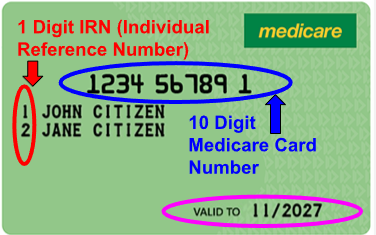
What is a Medicare Card IRN?
A Medicare IRN (Individual Reference Number) is the single digit to the left of your name on an Australian Medicare card, used to identify you as one of several people on the same card, ensuring the correct person is billed for services.